
July 22, 2026
Coconut Oil and Baking Soda Deodorant: A Complete Guide

Comprehensive Guide to Coconut Oil and Baking Soda Deodorant Benefits and Usage
By Adam Fritsch, CocoMoo
Coconut oil and baking soda have become popular choices for natural deodorants, appealing to those seeking chemical-free and eco-friendly personal care products. This guide offers a detailed exploration of how these ingredients work together to combat body odor, support skin health, and serve as a safe alternative for sensitive skin. Many individuals are concerned about the potential adverse effects of conventional deodorants, which often contain aluminum and synthetic fragrances. With the right formulation, coconut oil and baking soda can provide effective odor-neutralizing properties while nourishing the skin. We will cover the benefits of using coconut oil and baking soda deodorant, how to apply it effectively, and how it compares to other deodorant options.
Benefits of Coconut Oil and Baking Soda Deodorant
Coconut oil and baking soda deodorants offer several benefits, making them an appealing choice for those looking to switch from traditional options.
Natural Ingredients
The use of natural ingredients like coconut oil and baking soda is vital for those wishing to avoid harmful synthetic compounds. Coconut oil is rich in antimicrobial properties, which help reduce bacteria that cause odor, while baking soda acts to neutralize pH, eliminating smells effectively. The combination ensures that users can enjoy a fresh scent without harsh chemicals.
Skin Health Support
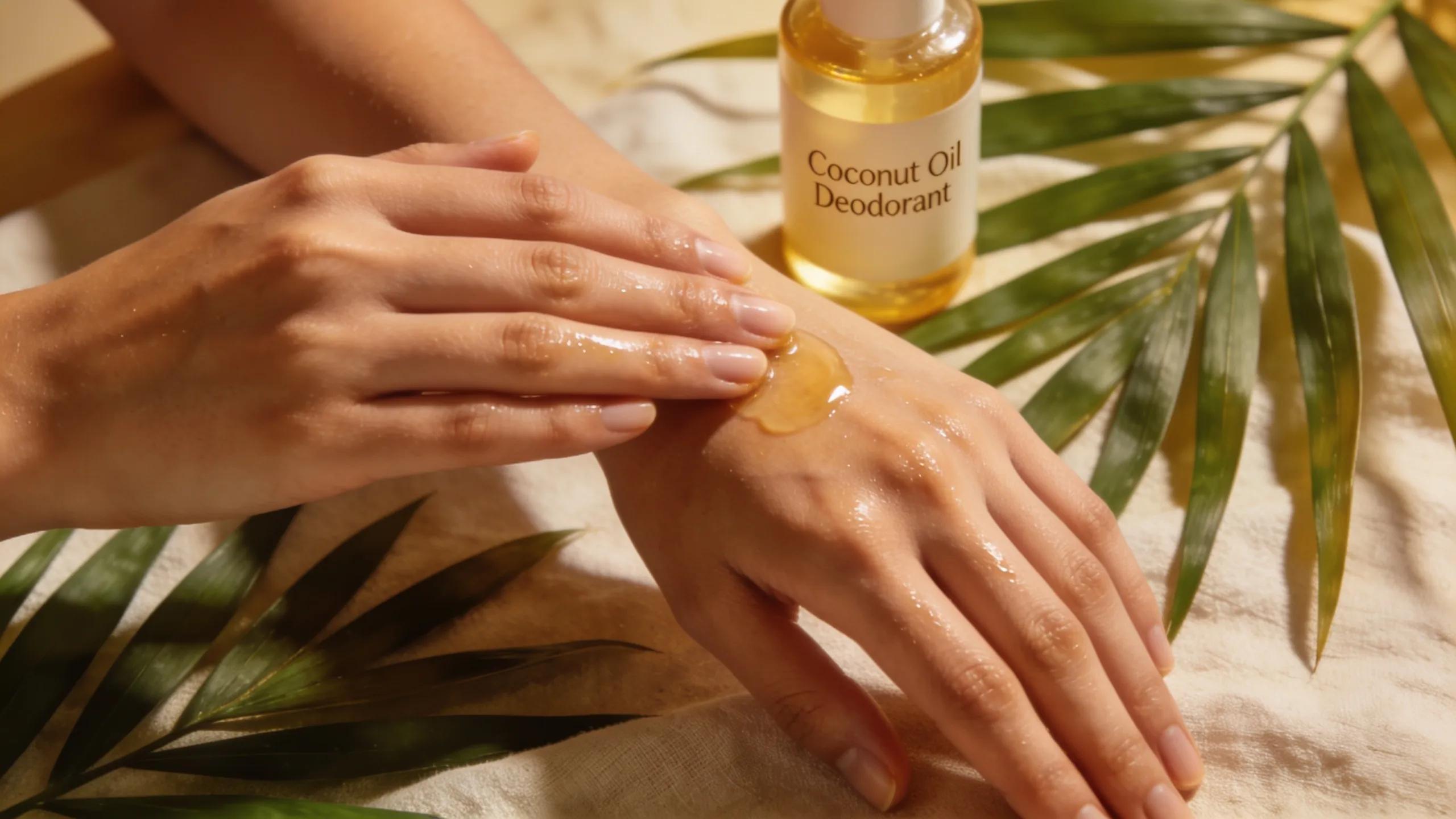
Coconut oil is known for its moisturizing effects, providing hydration and nourishment to the skin. It strengthens the skin barrier, which is essential for healthy skin, especially in the delicate underarm area. Baking soda also plays a role by preventing irritation and discomfort, making it a suitable choice for sensitive skin types.
Odor Neutralization
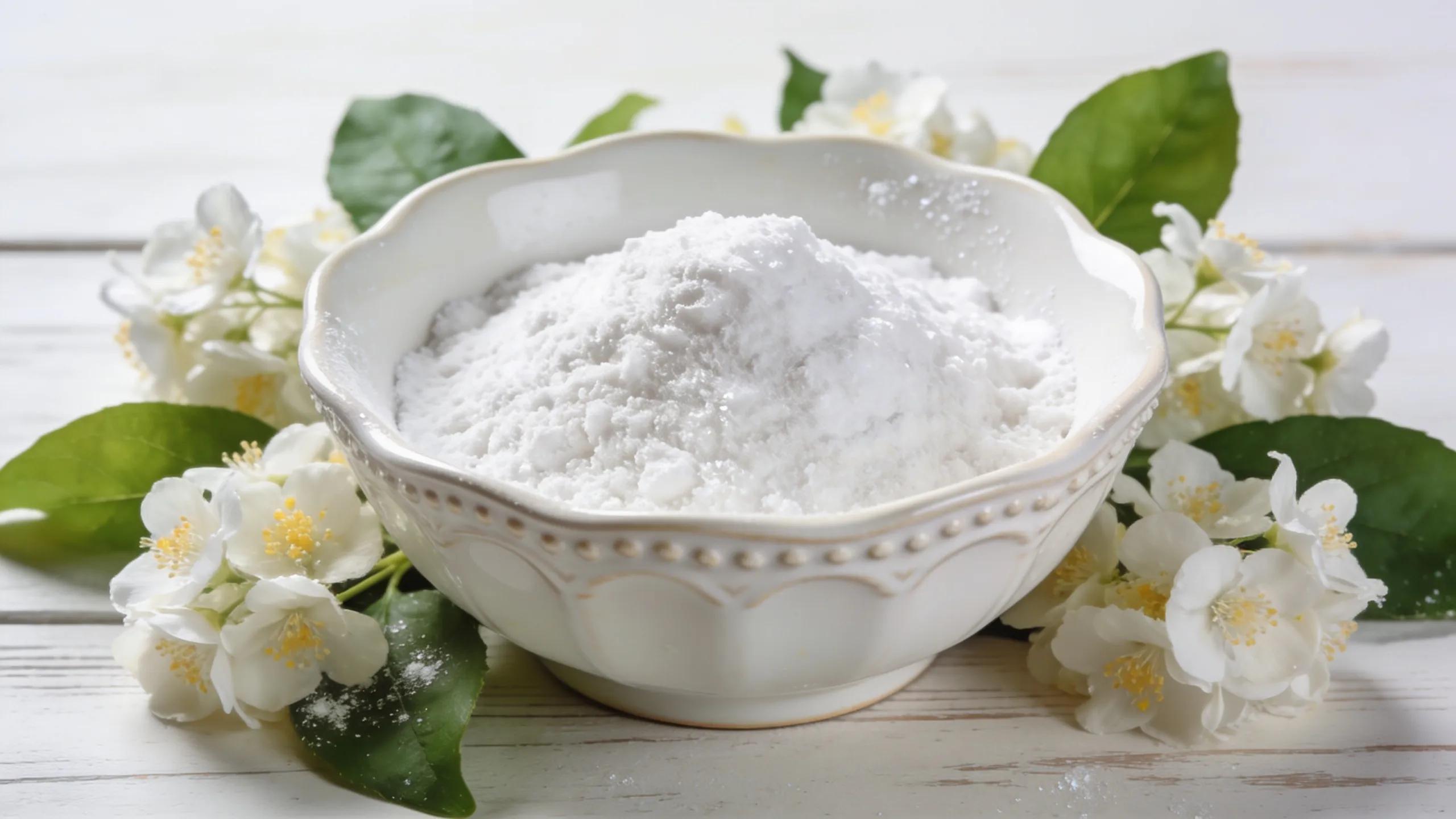
Baking soda effectively neutralizes odors thanks to its alkaline nature, which balances the skin's acidity. This action is particularly beneficial for absorbing moisture, thus tackling wetness and keeping users feeling dry throughout the day. The natural fragrance of coconut oil adds an additional layer of freshness.
Safety for Sensitive Skin
Many conventional deodorants can trigger sensitivities due to the presence of synthetic ingredients. Coconut oil and baking soda deodorants minimize the risk of irritation, providing a gentle option for those with reactive skin. They are free from aluminum and artificial fragrances, making them safer alternatives for daily use.
Alternatives to Baking Soda
While baking soda is effective, there are alternatives for those who may have sensitivities. Ingredients such as arrowroot powder and essential oils can also provide moisture absorption and pleasant scents. Some formulations blend these alternatives with coconut oil, enhancing the overall effectiveness without compromising skin safety.
Best Practices to Prevent Skin Irritation
To maximize comfort and efficacy, it’s essential to follow best practices when using coconut oil and baking soda deodorants. Users should start with a small amount to gauge skin reactions and consider patch testing any new formulation. Regular application, even after showering, keeps the skin conditioned and prevents build-up that could lead to irritation.
Usage Instructions
Using coconut oil and baking soda deodorant effectively involves straightforward steps to ensure optimal results.
Application
For effective use, apply a small amount of the deodorant to clean, dry underarms. It’s advisable to use a gentle touch, allowing the product to spread evenly over the skin. Clean hands or a cosmetic spatula can help in maintaining hygiene during application, ensuring that bacteria don't transfer to the product.
Frequency
Reapplication may depend on individual activity levels and personal preference. Generally, it is suggested to reapply after rigorous exercise or if noticeable odor occurs. Daily usage is acceptable, as the natural ingredients support skin health without overwhelming it with chemicals.
Storage
Proper storage of coconut oil and baking soda deodorants extends their shelf life. It’s best to keep them in a cool, dry place to maintain consistency and effectiveness. Avoid exposing them to direct sunlight or high temperatures, which can melt or alter the product's formulation.
Simple DIY Coconut Oil and Baking Soda Deodorant Recipe
For readers who want to try a basic version at home before committing to a finished product, the following ratio is a common, tested starting point:
Ingredients
- 3 tablespoons coconut oil (solid, unrefined)
- 2 tablespoons baking soda
- 2 tablespoons arrowroot powder (offsets baking soda's alkalinity and improves texture)
- 5–10 drops essential oil (optional, for scent)
Instructions
- Mix the baking soda and arrowroot powder in a small bowl until evenly combined.
- Add the coconut oil and mash it into the dry ingredients with a fork until a smooth, spreadable paste forms.
- Stir in essential oil, if using.
- Transfer the mixture to a clean, airtight container or an empty deodorant tube.
- Let it set at room temperature for a few hours before the first application.
This ratio can be adjusted to taste: reducing the baking soda slightly and increasing the arrowroot powder is a common modification for those with sensitive skin. As with any homemade formulation, patch test on a small area of skin first.
Comparisons with Other Deodorant Options
When comparing coconut oil and baking soda deodorants to traditional options, several distinctions emerge. Chemical-based deodorants often contain synthetic fragrances and aluminum compounds, which can lead to skin irritations and other long-term health concerns. The natural approach of coconut oil and baking soda minimizes these risks, providing a gentle yet effective alternative. Additionally, many users report feeling more refreshed and confident when using products that align with their desire for sustainable and health-conscious choices.
Troubleshooting Common Issues
Even with the right formulation, switching to a coconut oil and baking soda deodorant can raise a few practical questions. Here's how to handle the most common ones.
What if it stains clothing? Coconut oil is an oil, so a small residue can transfer to fabric if too much product is applied or if it hasn't fully absorbed before dressing. Apply a thin layer, let it sit for a minute before putting on a shirt, and blot any excess with a tissue. Most residue washes out with regular laundering; treating a fresh mark with a small amount of dish soap before washing helps with older stains.
What if it feels gritty or doesn't spread smoothly? This usually means the baking soda hasn't fully dissolved into the coconut oil, which can happen in cooler temperatures when the oil is more solid. Warming the container briefly in your hands, or storing it somewhere slightly warmer, softens the oil enough for an even, smooth application.
What if odor control seems inconsistent? Body chemistry, diet, activity level, and climate all affect how much odor-neutralizing baking soda a person needs. If protection feels inconsistent, try reapplying after heavy sweating, applying to fully dry skin, or slightly increasing the amount used at the underarm.
What if the underarms feel irritated or itchy after switching? This is often a temporary "detox" reaction as skin adjusts away from antiperspirant use, or it can indicate a baking soda sensitivity. Cutting back the frequency of use for a few days, switching to a lower-baking-soda formulation, or trying an alternative like arrowroot powder can resolve ongoing irritation.
What if the deodorant melts or separates in warm weather? Coconut oil has a low melting point, so formulations can soften or separate in heat. Storing the product in a cool, dry spot and giving it a quick stir after any melting restores its original texture.
What Are the Key Benefits of Natural Coconut Oil and Baking Soda Deodorants?
Natural coconut oil and baking soda deodorants provide several key benefits:
- Chemical-Free Ingredients: Users can avoid synthetic additives often found in conventional deodorants.
- Moisturizing Properties: Coconut oil hydrates the skin while maintaining a healthy balance.
- Effective Odor Control: Baking soda neutralizes odors and absorbs moisture.
- Safety for Sensitive Skin: Formulated to minimize irritation for all skin types.
How Does Coconut Oil Support Skin Health in Natural Deodorants?
Coconut oil supports skin health through its hydrating and soothing properties, essential for maintaining the skin's moisture barrier. The fatty acids in coconut oil nourish the skin and may also have antibacterial properties, reducing the growth of odor-causing bacteria. This multifaceted approach makes coconut oil an excellent choice for underarm care.
Why Is Baking Soda Used as a Natural Odor Neutralizer?
Baking soda's primary function as a natural deodorizer hinges on its ability to balance pH levels in the skin. By neutralizing acidity, it effectively combats odor at the source. Its moisture-absorbing capabilities further enhance its effectiveness, making it a vital ingredient in many natural deodorant formulations.
How Can Sensitive Skin Types Safely Use Baking Soda Deodorants?
For sensitive skin, introducing baking soda should be done gradually. It's advisable to start with small amounts or look for formulations that incorporate lower concentrations of baking soda, mixed with other gentle ingredients like coconut oil or arrowroot powder. Pay attention to skin responses, and discontinue use if irritation occurs.
What Are Alternatives to Baking Soda for Sensitive Skin?
Alternatives like arrowroot powder, cornstarch, and magnesium hydroxide can replace baking soda in formulations. These ingredients absorb moisture while providing gentle deodorization without the potential harshness that baking soda can impose on sensitive skin. Users can experiment with these alternatives to find a suitable balance for their skin type.
How to Identify and Prevent Skin Irritation from Natural Deodorants?
To avoid irritation when switching to natural deodorants:
- Patch Test: Always conduct a patch test with new products to check for sensitivities.
- Monitor Skin's Response: Pay attention to any adverse reactions and discontinue use if necessary.
- Manage Application Amount: Less can often be more, as excess product may lead to build-up and irritation.
What Are the Best Practices for Using Coconut Oil and Baking Soda Deodorants?
For optimal results with coconut oil and baking soda deodorants, consider these best practices:
- Regular Application: Consistent use helps maintain freshness and odor control.
- Hygienic Application: Use clean hands or a tool to apply, avoiding contamination.
- Storage Considerations: Keep deodorants in cool, dry locations to preserve integrity.
Why Choose Sustainable and Aluminum-Free Coconut Oil Deodorants?
Aluminum-free deodorants, particularly those made from natural ingredients like coconut oil and baking soda, support a sustainable lifestyle. Choosing products that prioritize the environment and personal health reflects an increasing demand for ethical consumerism. Users benefit from effective odor control while also contributing to a reduction in plastic waste and harmful chemicals in personal care products.