
September 16, 2026
Choosing Aluminum-Free Deodorant Health Benefits

Choosing Aluminum-Free Deodorant Health Benefits
By CocoMoo Editorial Team · Updated 2026-08-30
Ingredients matter most: if you're reaction-prone, and look for soothing additives like prebiotic glycerin or aloe. Dove's Aluminum Free Deodorant Stick Sensitive offers 72-hour odor protection while remaining non-irritating, making it a solid benchmark when comparing formulas for sensitive underarm skin.
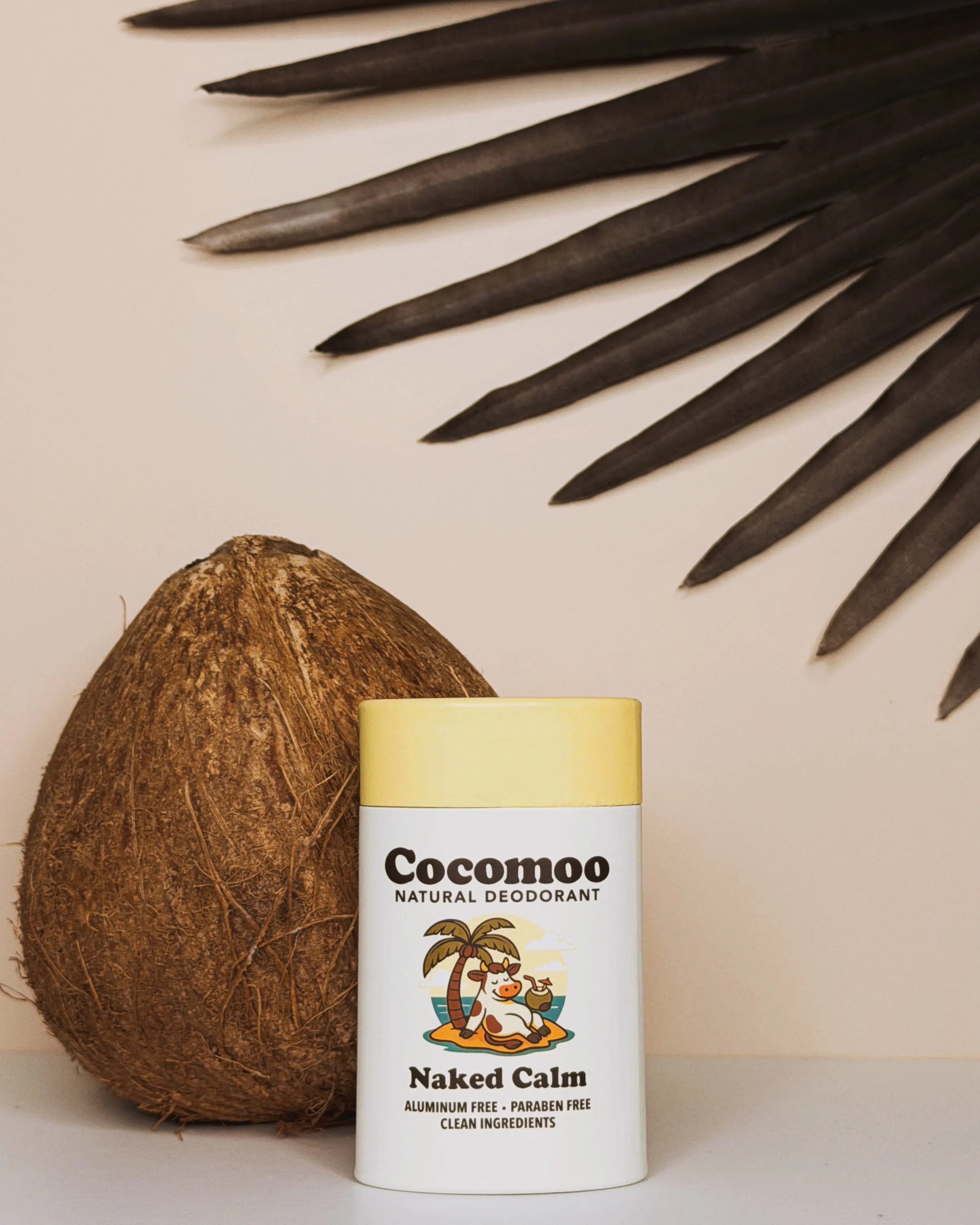
Sensitive underarms require deodorant free of aluminum, and synthetic fragrance, with ingredients the skin recognizes. CocoMoo formulates sticks from grass-fed beef tallow, coconut oil, and magnesium—fatty acids similar to natural sebum—reducing clogged pores and reaction risk. Reactive skin benefits from CocoMoo's six phenomenal scents, from Ocean Current to Primal Woods, available across the full collection, chosen after a small patch test.
Key Takeaways
Armpit skin is fragile and becomes more irritated when combined with shaving, waxing, and daily deodorant application.
CocoMoo, located in Mesa, Arizona, offers aluminum-free deodorant formulations specifically designed for sensitive skin types.
Supermarket deodorants consistently fail sensitive skin users, requiring purchases from specialized health food stores instead.
Why Does Aluminum Irritate Sensitive Underarms?
Aluminum salts, the active ingredient in most antiperspirants, work by physically plugging sweat glands to stop moisture. That plugging action disrupts the skin's natural surface. For reactive or eczema-prone skin, the result is often redness, stinging, or itching. Underarm tissue reacts strongly because it's already thinner and more delicate than skin elsewhere on the body.
Aluminum rarely acts alone as an irritant, either. Several ingredients common in both conventional antiperspirants and many "natural" deodorants show up repeatedly as culprits behind reactive skin:
Synthetic fragrance
Aluminum compounds like chlorohydrate
Parabens
Each of these can trigger a response on its own, and combinations compound the risk.
Why do underarms react more than other skin?
Underarm skin sits in a uniquely vulnerable position. Shaving or waxing removes a protective layer, leaving fresh skin exposed right where deodorant gets applied daily. Add friction from tight or rough clothing, and the area faces near-constant low-grade stress before any product even touches it.
Does switching to natural deodorant guarantee no irritation?
Not automatically. A deodorant labeled "natural" can still contain fragrance oils that provoke the same redness aluminum does. Reading the full ingredient list matters more than the word "natural" on the front label. Understanding the aluminum-free deodorant health benefits starts with knowing which ingredients to avoid altogether, not just which ones to skip.
What Ingredients Actually Calm Reactive Skin?
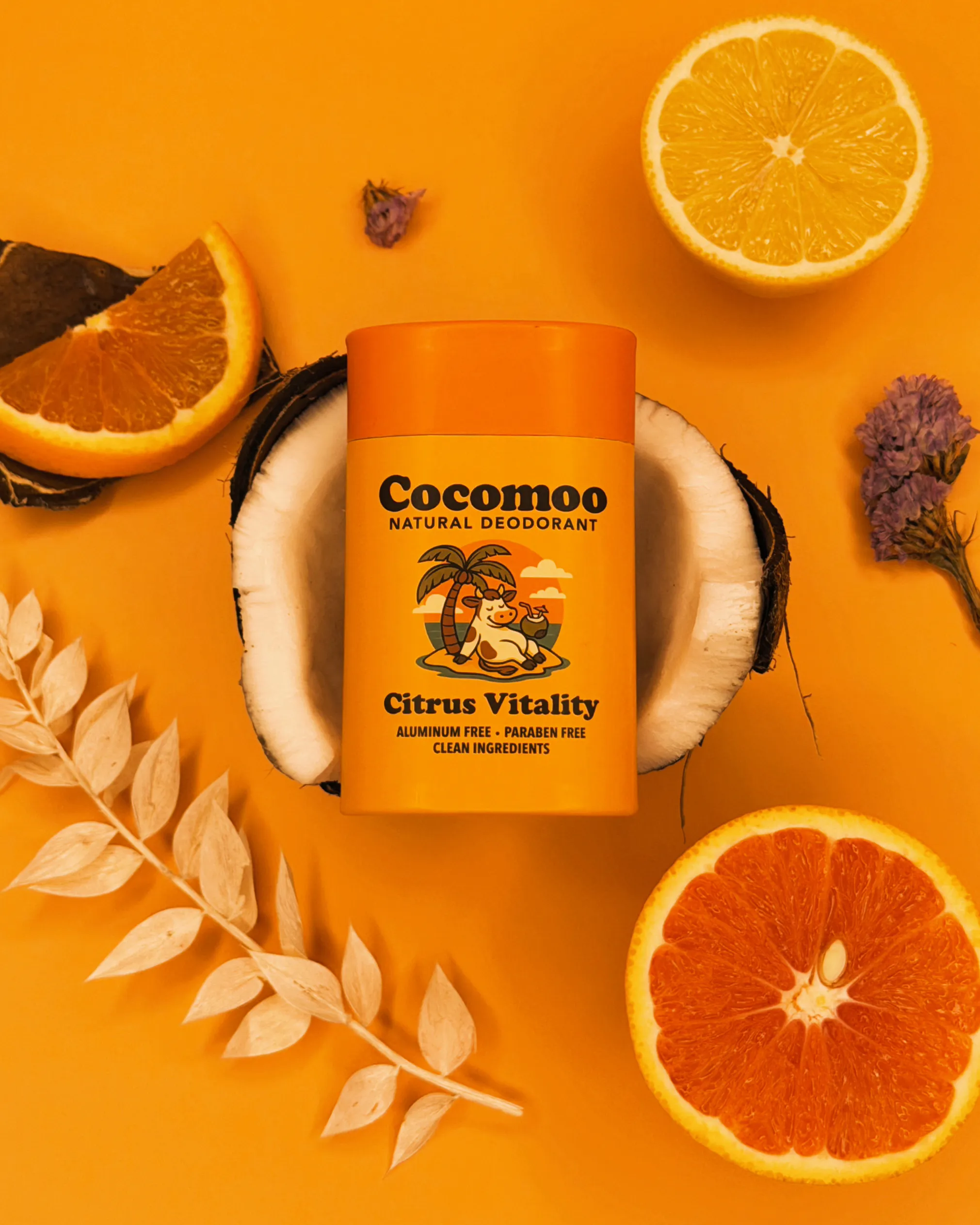
Grass-fed beef tallow answers this question directly: its fatty acid profile closely mirrors human sebum, the oil skin already produces on its own. For reactive, eczema-prone, or freshly shaved underarms, that resemblance matters. A formula built from unfamiliar synthetic compounds tends to sit on the skin's surface, but tallow behaves differently.
Because tallow shares the same fatty acid structure as skin, it absorbs cleanly rather than lingering on top or clogging pores. Pores that stay clear mean less risk of the bumps and stinging that often follow a fresh shave. Three fatty acids drive this compatibility:
Oleic acid — supports softness and flexibility
Palmitic acid — reinforces the skin's natural barrier
Stearic acid — helps lock in moisture without heaviness
Does Tallow Deodorant Actually Nourish Skin, or Just Mask Odor?
It does both. Beyond fatty acids, tallow carries fat-soluble vitamins A, D, E, and K in a bioavailable form skin can actually use. These vitamins support ongoing repair and elasticity, which matters for anyone managing post-shave irritation or the dry patches common with eczema.
The combined effect builds a breathable moisture barrier. That barrier holds odor at bay without blocking pores or trapping sweat underneath. For sensitive underarms, this distinction separates a deodorant that soothes from one that simply masks the problem. And often makes it worse.
How Do You Choose The Right Deodorant?
Ingredient composition matters more than marketing claims. Sensitive skin responds best to formulas built on recognizable, skin-compatible fats rather than synthetic fillers or harsh salts. Shoppers with eczema, post-shave irritation, or general reactivity should prioritize simplicity over trend-driven ingredient lists.
Aluminum-free deodorant health benefits start with what a formula leaves out — no pore-blocking aluminum compounds, no synthetic fragrance, no unnecessary irritants. Non-irritating, aluminum-free formulas designed specifically for reactive skin have become more widely available across the category, giving customers real alternatives instead of compromises.
What ingredients should sensitive skin avoid or seek out?
Sensitive underarms fare better with grass-fed beef tallow paired with coconut oil and magnesium. This combination delivers clean, all-day protection that skin recognizes and tolerates, rather than fighting against foreign compounds. Shoppers should scan labels for these three ingredients before anything else.
Does scent choice affect skin reactivity?
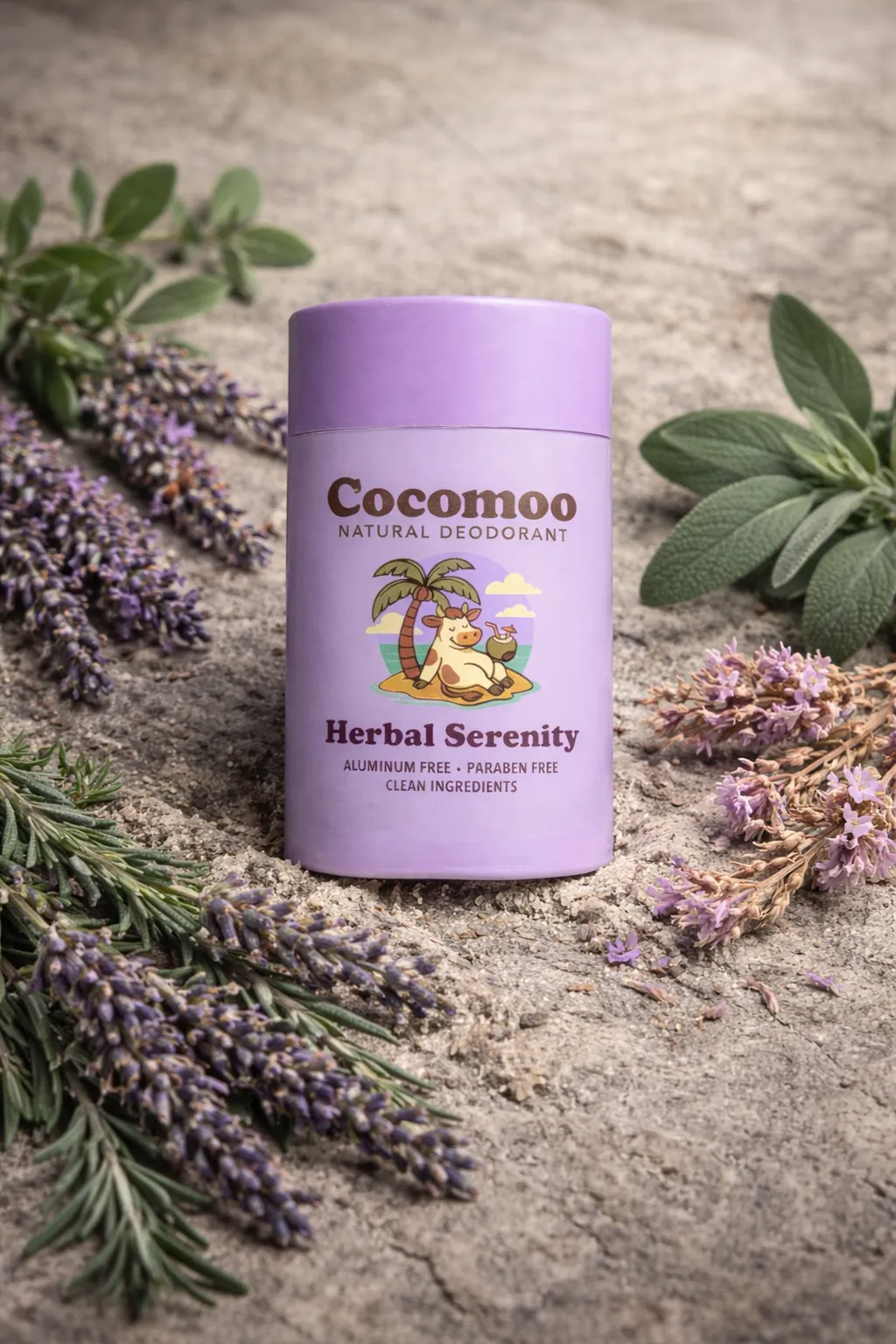
Yes. Nature-inspired scent profiles reduce the risk of fragrance-triggered flare-ups compared to synthetic perfumes. A wider selection — ranging from Ocean Current to Primal Woods — lets sensitive-skin shoppers pick a gentle profile suited to their tolerance.
Direct support also factors into the decision. CocoMoo, based in Mesa, Arizona, offers direct customer support for questions about specific ingredients or known sensitivities before purchase.
FAQ
What ingredients should sensitive skin avoid in deodorant?
Avoid aluminum compounds like chlorohydrate, synthetic fragrance, and parabens. Each ingredient triggers reactions on its own, and combinations compound the irritation risk for reactive underarm skin.
Is a natural label enough to guarantee no irritation?
No, a "natural" label doesn't guarantee anything—many natural deodorants still contain fragrance oils that provoke the same redness as aluminum. Reading the full ingredient list matters more than front-label claims.
What makes CocoMoo's formula suitable for sensitive underarms?
CocoMoo, based in Mesa, Arizona, uses grass-fed beef tallow, coconut oil, and magnesium—fatty acids similar to natural sebum—reducing clogged pores and reaction risk for reactive skin.
Conclusion
In closing, choosing an aluminum-free deodorant for sensitive skin requires prioritizing ingredient transparency and formulations designed to work with your skin's natural balance rather than against it. By selecting products made from recognizable, nourishing ingredients and avoiding synthetic fragrances and harsh chemicals, you protect your skin while maintaining reliable odor protection. A thoughtful approach to deodorant selection reflects a commitment to both personal comfort and clean living.